
What is Rotor Balancing and How Is It Done?
When a machine starts to vibrate more than usual, make more noise, or wear parts out faster than it should, rotor imbalance is often part of the problem. Rotor balancing is the process of correcting uneven mass in a rotating part so it can run smoothly, safely and efficiently.
It sounds simple, but it plays a big part in keeping machinery reliable. A poorly balanced rotor can lead to bearing failure, shaft damage, seal wear, loose components, reduced efficiency and unplanned downtime. And in some cases, it can become a safety issue as well.
For businesses that rely on rotating equipment every day, balancing is not just a maintenance job. It is part of protecting production, reducing repair costs and extending machine life.
If you are looking for specialist dynamic rotor balancing, it helps to understand what the process involves, why imbalance happens, and how engineers correct it properly. All Terrain Engineering’s rotor page describes rotor balancing as the correction of uneven mass distribution in rotating components such as fans, motors, pumps and flail mower rotors, with services including shop balancing, field balancing, single-plane and two-plane balancing, and rotor straightening.
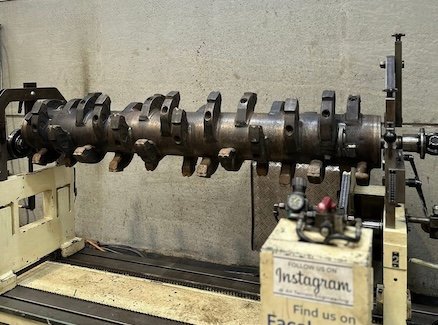
What is rotor balancing?
Rotor balancing is the process of making sure the mass of a rotating component is distributed as evenly as possible around its axis of rotation. When the mass is uneven, the rotor creates centrifugal forces as it spins. Those forces turn into vibration.
The faster the rotor turns, the more serious the problem becomes.
A rotor may look fine when it is stationary, but once it reaches operating speed, even a small amount of imbalance can create enough force to affect the whole machine. That is why balancing is so important in high-speed and heavy-duty equipment.
In simple terms, balancing means identifying where the heavy or light spots are on a rotor and correcting them. This is usually done by adding weight, removing weight, or making a repair before balancing begins.
This is the basis of professional rotor balancing. It is not guesswork. It is a measured engineering process based on the rotor’s behaviour while rotating. The target service page notes that precision tools and balancing machines are used to restore smoother and safer operation.
What causes a rotor to become unbalanced?
Rotor imbalance can develop for several reasons. Sometimes the issue starts in manufacturing. In other cases, it develops over time through wear or damage.
Common causes include:
- normal wear and tear
- material build-up such as dirt, dust or product residue
- bent shafts or distorted components
- poor machining tolerances
- damage from impact or foreign objects
- heat distortion
- missing balance weights
- uneven repairs or welds
- corrosion or erosion
- component replacement without rebalancing
Even a small change in mass distribution can affect performance. That is why a machine that used to run well can gradually begin to vibrate more as time goes on.
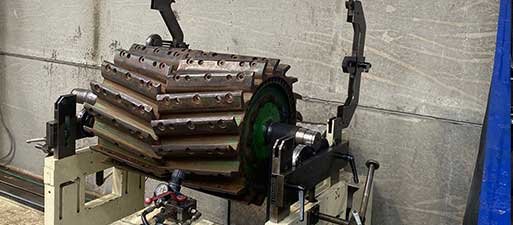
Why rotor balancing matters
Balancing protects the machine and the parts connected to it. When a rotor is unbalanced, the machine has to absorb extra forces every time it turns. Over time, that puts stress on bearings, housings, couplings, seals and support structures.
Good balancing helps to:
- reduce vibration
- lower noise levels
- improve running efficiency
- extend bearing and shaft life
- reduce wear on connected components
- support safer operation
- reduce the chance of breakdowns
- improve product quality where precision matters
And there is a cost benefit too. A balanced rotor usually means less downtime, fewer emergency repairs and a more predictable maintenance schedule.
What is rotor dynamic balancing?
Rotor dynamic balancing is the process of balancing a component while considering how it behaves in motion. That point matters because some rotors do not just have one heavy spot. They may have imbalance in more than one plane, especially if they are long, wide or operate at high speed.
Static balancing only checks whether a rotor settles with one heavy point at the bottom when it is not moving. Dynamic balancing goes further. It measures imbalance while the rotor is rotating and shows both the amount of imbalance and where it is located.
This allows engineers to correct imbalance far more accurately.
That is why dynamic balancing is often the right method for industrial rotors, fans, armatures, impellers, drums, rollers and similar components. The All Terrain Engineering rotor services page specifically highlights dynamic balancing for rotors in motion, including correction in one or two planes.
Static balancing vs dynamic balancing
These two terms are often used together, but they are not the same.
Static balancing
Static balancing corrects imbalance in a single plane. It is generally used for narrow rotors where the imbalance can be treated as one heavy spot.
A statically balanced rotor will not naturally roll so that the heavy side settles at the bottom.
Dynamic balancing
Dynamic balancing corrects imbalance in one plane or two planes while the rotor is rotating. It is used where the rotor length, diameter, shape or speed means the imbalance is more complex.
How rotor dynamic balancing is done
The process can vary depending on the machine, the rotor design and whether the work is carried out in a workshop or on site. But in most cases, the steps are similar.
- Initial inspection
The first step is to inspect the rotor carefully. Engineers look for obvious damage, wear, cracks, missing parts, bent shafts, poor previous repairs or heavy contamination.
There is no point balancing a damaged rotor if the real problem is a mechanical defect.
If the component is dirty, it is usually cleaned first. Build-up can throw readings off and give a false result.
- Check for damage and run-out
Before balancing starts, the rotor may be checked for straightness, concentricity and run-out. If a shaft is bent or the rotor body is distorted, that issue needs fixing first.
This is where rotor straightening can become part of the job. If the rotor is not true, balancing alone will not solve the vibration problem. The target page confirms that bent or damaged rotors may be repaired before balancing, and also lists rotor and shaft straightening as a related service.
- Mount the rotor on a balancing machine
Once the rotor is ready, it is mounted on a balancing machine. The machine spins the rotor and measures vibration, phase angle and imbalance forces.
This shows:
- how much imbalance is present
- where the imbalance is located
- whether correction is needed in one plane or two
The equipment used depends on the size and type of rotor. Some jobs are handled in a specialist workshop. Others are done in the field on installed machinery.
- Take an initial reading
The rotor is spun to a set speed, and the machine records the initial imbalance. This gives the engineer a baseline reading.
At this stage, the results help identify whether the issue is a simple single-plane correction or a more complex two-plane balancing job.
- Add or remove correction weight
The next step is to correct the imbalance. This can be done in different ways depending on the rotor design.
Typical correction methods include:
- drilling or machining material away
- adding balance weights
- welding weight into place
- adjusting existing balance features
- repositioning components where design allows
The goal is to reduce the unbalanced force to an acceptable tolerance.
- Re-test the rotor
After the first correction, the rotor is spun again and measured. The engineer checks whether the vibration level has fallen enough or whether more adjustment is needed.
This is often a repeat process. Small corrections are made, then readings are checked again until the final result is within tolerance.
- Final verification
Once the rotor meets the required balance quality level, the final readings are recorded. The rotor can then be refitted or returned to service.
In many cases, the balancing work forms part of wider rotor balancing services that may also include inspection, repair and pre-balancing correction work. The All Terrain Engineering page lists shop balancing, field balancing, single-plane and two-plane balancing, along with repair work before balancing.
Single-plane and two-plane balancing
A key part of rotor dynamic balancing is deciding how many planes need correcting.
Single-plane balancing
Single-plane balancing is usually suitable for narrow disc-type rotors where the imbalance acts in one central plane. Examples might include some grinding wheels, narrow fans or simple pulleys.
Two-plane balancing
Two-plane balancing is used for longer rotors where imbalance exists across the length of the component. In this case, correcting one end alone is not enough. Both planes need to be measured and corrected.
This is common with industrial rotors, armatures, impellers, rollers and longer shafts.
Choosing the right method matters. If the rotor really needs two-plane balancing but only receives a simple single-plane correction, vibration may remain.
Workshop balancing vs field balancing
Rotor balancing can be done in a workshop or on site.
Workshop balancing
Workshop balancing is carried out with the rotor removed from the machine and placed on specialist equipment. This usually allows for a more controlled environment and very accurate measurement.
It is often the preferred option when the rotor can be removed without major disruption.
Field balancing
Field balancing is carried out on the machine itself. This is useful for large equipment, fixed installations, or plant where removing the rotor would take too long or cost too much.
Field balancing can save time and reduce downtime, especially on large fans, blowers and heavy rotating assemblies.
The All Terrain Engineering rotor services page states that both shop balancing and on-site field balancing are offered, depending on the application.
What machines need rotor balancing?
A wide range of machines rely on balanced rotating parts. Any equipment with a rotor, impeller, fan, drum or shaft can suffer from imbalance.
Common examples include:
- industrial fans and blowers
- pumps and pump impellers
- electric motors
- generators
- compressors
- turbines
- agricultural machinery
- flail mower rotors
- forestry equipment and mulchers
- rollers and drums
- armatures
- crankshafts
- flywheels
- driveshafts
Many engineering firms that offer combine rotor balancing and other specialist rotor work also handle machinery used in agricultural, commercial and industrial settings. The target page specifically mentions balancing work for industrial, agricultural and commercial machinery, including fans, pumps, compressors, motors, generators, flail mowers, mulchers, rollers, armatures, flywheels and driveshafts.
Signs a rotor may need balancing
Not every vibration issue is caused by imbalance, but there are several signs that point in that direction.
Watch out for:
- increased vibration during operation
- unusual noise at certain speeds
- repeated bearing failures
- loose fasteners or structural movement
- seal wear
- uneven product finish or poor process quality
- rising maintenance costs
- reduced machine efficiency
- visible build-up on rotating parts
- vibration that gets worse as speed increases
If these signs are ignored, the problem often becomes more expensive to fix later.
Common rotor balancing tolerances
Balancing is not about making a rotor perfect in an absolute sense. It is about reducing the residual imbalance to an acceptable level for the machine and its operating speed.
Acceptable tolerances depend on factors such as:
- rotor size
- operating speed
- machine type
- industry requirements
- load conditions
- service environment
Different applications require different balance quality grades. A slow-speed agricultural rotor will not need the same tolerance as a high-speed turbine component.
This is why balancing should always be matched to the real working conditions of the equipment.
Why repairs often come before balancing
Balancing is sometimes treated as a standalone fix, but that can be a mistake. If a rotor has underlying damage, the problem needs dealing with first.
Common pre-balancing repair work includes:
- straightening bent shafts
- repairing damaged journals
- welding cracks or worn areas
- replacing broken blades or vanes
- machining damaged surfaces
- removing contamination or product build-up
Balancing after the repair makes sure the rotor runs properly once the component is structurally sound again.
The benefits of professional rotor balancing
Professional balancing brings more than just smoother running. It can improve the overall reliability of the machine and help prevent secondary damage.
Main benefits include:
- lower vibration levels
- better machine life
- fewer bearing and seal failures
- improved safety
- less unplanned downtime
- lower maintenance spend
- improved energy efficiency
- better process consistency
And for many businesses, that means less disruption to production.
When should a rotor be rebalanced?
Rotor balancing is not always a one-off task. In many cases, it should be repeated when something changes.
A rotor may need rebalancing after:
- impact damage
- bearing failure
- welding or machining repairs
- replacing blades or components
- shaft straightening
- heavy wear
- corrosion or erosion
- major vibration issues
- routine overhaul work
It is also worth checking balance whenever a machine comes apart for repair and the rotating assembly has been disturbed.
Choosing the right balancing specialist
Not every machine shop offers the same level of balancing support. For critical rotating equipment, it helps to use a specialist with the right equipment and experience.
Look for a provider that can offer:
- dynamic balancing capability
- single-plane and two-plane balancing
- workshop and field balancing options
- inspection and repair work
- shaft and rotor straightening
- experience across your type of machinery
That kind of joined-up service often leads to a better result because the same team can inspect, repair and balance the component properly from start to finish.
Final thoughts
Rotor balancing is a practical engineering process that keeps rotating equipment running as it should. When mass is unevenly distributed in a rotor, vibration follows. And once vibration starts, it can shorten component life, reduce efficiency and increase repair costs.
The good news is that the issue can usually be measured and corrected with the right approach.
Whether the job involves a fan, pump, motor, mower rotor or another rotating part, proper dynamic balancing helps protect the machine and the wider system around it. And where damage is involved, repair work such as straightening may need to happen before balancing begins.
That is why a proper balancing service looks at the whole rotor, not just the final numbers on a machine.
FAQs
What is the difference between static and dynamic rotor balancing?
Static balancing corrects one heavy spot in a single plane while the rotor is stationary. Dynamic balancing measures imbalance while the rotor is spinning and can correct it in one or two planes.
How do I know if a rotor is out of balance?
Common signs include vibration, noise, bearing wear, seal failure, loose fasteners and poorer machine performance, especially at higher speeds.
Can a bent rotor be balanced?
Not properly until the bend is addressed. If the shaft or rotor is distorted, it may need straightening before balancing can produce a reliable result.
What types of machinery need rotor balancing?
Many types do, including fans, blowers, pumps, motors, generators, compressors, turbines, agricultural machinery, flail mower rotors, rollers and driveshafts.
Is field balancing as accurate as workshop balancing?
It depends on the machine and the application. Workshop balancing gives a more controlled setup, but field balancing is often the best option for large installed equipment that cannot easily be removed.
How often should rotor balancing be checked?
There is no single rule. It should be checked when vibration increases, after damage or repairs, during overhauls, or when rotating parts have been changed.
Can balancing fix all vibration problems?
No. Vibration can also be caused by misalignment, bearing issues, looseness, resonance, mechanical damage or installation problems. Balancing is important, but it is only one part of proper diagnosis.
Why is dynamic balancing important for high-speed rotors?
At higher speeds, small imbalances create much larger forces. Dynamic balancing helps control those forces before they lead to wear, breakdowns or unsafe running conditions.
25.03.26
With years of experience working with cylindrical objects running at high speed in many sectors, we help keep your operation moving both safely and efficiently, contact us today for all your dynamic balancing needs.
Get In Touch